

The Ultimate Guide to Post-Exercise Recovery: Benefits, Methods, and Self-Care Tips
- Courtney Elizabeth

- Feb 6
- 3 min read
Recovering well after exercise is just as important as the workout itself. Without proper recovery, your body cannot repair, rebuild, or improve. This guide explains why recovery matters, explores different ways to help your body bounce back, and shares practical self-care tips to make the most of your efforts.
Why Post-Exercise Recovery Matters
Exercise causes tiny muscle damage and depletes energy stores. Recovery allows your body to:
Repair muscle fibers and reduce soreness
Replenish energy reserves
Prevent injury and overtraining
Improve future performance
Skipping recovery can lead to fatigue, decreased strength, and higher injury risk. Think of recovery as the time your body uses to get stronger and healthier.
Benefits of Proper Recovery
Taking time to recover offers many benefits beyond feeling less sore:
Faster muscle repair helps you train more consistently
Reduced inflammation lowers pain and swelling
Improved sleep quality supports overall health
Balanced hormones aid muscle growth and mood
Better mental focus keeps motivation high
These benefits combine to make your workouts more effective and enjoyable.
Different Ways to Recover Your Body After Exercise
There is no one-size-fits-all recovery method. Combining several approaches works best.
Active Recovery
Light activity after intense exercise helps blood flow and removes waste products. Examples include:
Walking or easy cycling for 10-20 minutes
Gentle yoga or stretching sessions
Swimming at a relaxed pace
Active recovery reduces stiffness and speeds healing without adding strain.
Rest and Sleep
Rest days are essential. Your muscles need time off to rebuild. Aim for:
At least one full rest day per week
7-9 hours of quality sleep each night
Sleep triggers the release of growth hormone and repairs tissues. Poor sleep slows recovery and increases injury risk.
Nutrition and Hydration
Fueling your body properly supports repair and energy restoration:
Eat protein-rich foods within 30-60 minutes post-workout to aid muscle repair (e.g., chicken, tofu, eggs)
Include carbohydrates to replenish glycogen stores (e.g., rice, fruits, whole grains)
Stay hydrated before, during, and after exercise to replace fluids lost through sweat
Balanced meals and snacks help your body recover faster and perform better.
Stretching and Mobility Work
Stretching improves flexibility and reduces muscle tightness. Try:
Static stretches held for 20-30 seconds after workouts
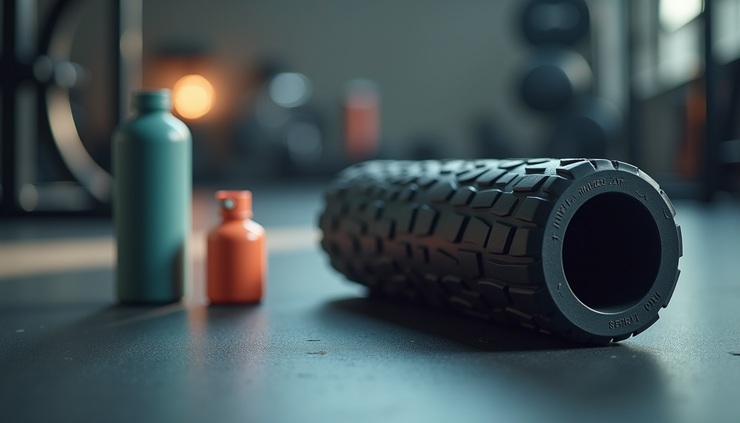
Foam rolling to release muscle knots and improve circulation
Mobility drills targeting joints used during exercise
These practices prevent stiffness and maintain range of motion.
Cold and Heat Therapy
Using temperature treatments can ease soreness and inflammation:
Ice packs or cold baths reduce swelling and numb pain
Heat packs or warm baths relax muscles and increase blood flow
Alternating cold and heat may provide additional relief, but listen to your body’s response.
Massage and Myofascial Release
Massage helps break down scar tissue and improve circulation. Options include:
Professional sports massage
Self-massage with foam rollers or massage balls
These techniques can reduce muscle tension and speed recovery.
Tips for Self-Care to Support Recovery
Taking care of yourself outside of workouts enhances recovery and overall well-being.
Listen to your body: Rest if you feel unusually tired or sore
Manage stress: Practice mindfulness, meditation, or deep breathing
Stay consistent: Make recovery part of your routine, not an afterthought
Avoid alcohol and smoking: Both impair muscle repair and hydration
Wear comfortable clothing: Support circulation and comfort during rest
Keep a recovery journal: Track how different methods affect your soreness and energy
Small daily habits add up to better recovery and long-term fitness gains.
When to Seek Professional Help
If you experience persistent pain, swelling, or fatigue despite recovery efforts, consult a healthcare professional. They can rule out injuries or underlying conditions and recommend tailored treatments.



Comments