

Ultimate Guide to Achieving 100g of Protein Daily with High Protein Foods for Every Meal

Getting enough protein each day is essential for building muscle, supporting metabolism, and maintaining overall health. For many people, hitting the target of 100 grams of protein daily can feel challenging without a clear plan. This guide breaks down how to reach that goal with practical food choices for breakfast, lunch, dinner, and snacks. You’ll find a simple cheat sheet of high-protein foods and meal ideas that make meeting your protein needs easy and enjoyable.
Why Aim for 100 Grams of Protein Daily?
Protein plays a key role in muscle repair, hormone production, and immune function. For active adults, athletes, or those looking to lose fat while preserving muscle, consuming around 100 grams of protein daily supports these goals. This amount is generally suitable for people weighing about 70-80 kg (154-176 lbs), but individual needs vary based on activity level, age, and health status.
Eating enough protein can also help control appetite by increasing feelings of fullness, which supports weight management. To reach 100 grams, you need to spread protein intake across meals and snacks, choosing foods rich in high-quality protein.
High Protein Foods for Breakfast
Starting your day with a protein-packed breakfast sets a strong foundation. Here are some excellent options to include:
Eggs: One large egg contains about 6 grams of protein. Scrambled, boiled, or in an omelet with veggies, eggs are versatile and nutrient-dense.
Greek Yogurt: A 170g serving of plain Greek yogurt provides around 15-20 grams of protein. Add nuts or berries for flavor and extra nutrients.
Cottage Cheese: Half a cup offers about 14 grams of protein. It pairs well with fruit or whole-grain toast.
Protein Smoothie: Blend whey or plant-based protein powder (20-25g protein per scoop) with milk, spinach, and a banana for a quick, high-protein start.
Oats with Milk and Seeds: Cook oats with milk instead of water and add chia or hemp seeds for an extra 8-10 grams of protein.
Sample Breakfast to Hit 30g Protein
3 large eggs (18g protein)
1/2 cup Greek yogurt (10g protein)
1 tablespoon chia seeds (2g protein)
High Protein Foods for Lunch
Lunch is a great opportunity to include lean meats, legumes, and whole grains that boost protein intake:
Chicken Breast: A 100g serving contains about 31 grams of protein. Grilled or baked chicken is a staple for many.
Turkey: Similar to chicken, turkey breast offers around 29 grams per 100g.
Tuna: Canned tuna in water provides about 25 grams of protein per 100g and is convenient for salads or sandwiches.
Lentils: One cup cooked lentils has roughly 18 grams of protein and adds fiber.
Quinoa: A cup of cooked quinoa contains about 8 grams of protein and is a complete plant protein.
Chickpeas: One cup cooked chickpeas offers 15 grams of protein.
Sample Lunch to Hit 35g Protein
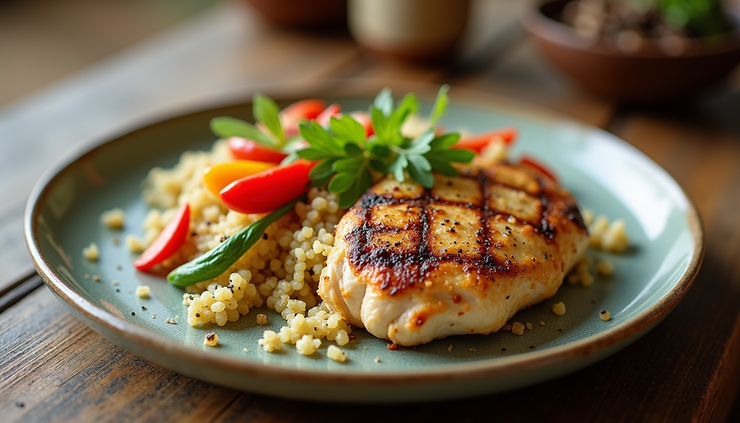
120g grilled chicken breast (37g protein)
1/2 cup cooked quinoa (4g protein)
Mixed greens and veggies
High Protein Foods for Dinner
Dinner can include a variety of protein sources from animal and plant origins:
Salmon: A 150g fillet provides around 34 grams of protein and healthy omega-3 fats.
Lean Beef: 100g of lean beef contains about 26 grams of protein.
Tofu: Half a block (about 150g) of firm tofu has 19 grams of protein.
Eggs: Adding eggs to dinner dishes like stir-fries or salads boosts protein.
Tempeh: This fermented soy product offers 21 grams of protein per 100g.
Edamame: One cup cooked edamame has 17 grams of protein.
Sample Dinner to Hit 30g Protein
150g baked salmon (34g protein)
Steamed broccoli and sweet potato
High Protein Snacks to Bridge the Gap
Snacks help maintain energy and protein intake between meals. Here are some easy, protein-rich snack ideas:
Mixed Nuts: A quarter cup provides 5-6 grams of protein.
Hard-Boiled Eggs: Each egg has 6 grams of protein.
String Cheese: One stick contains about 7 grams of protein.
Beef Jerky: A 28g serving has around 9 grams of protein.
Protein Bars: Many bars offer 15-20 grams of protein, but check for added sugars.
Hummus with Veggies: 1/4 cup hummus has about 5 grams of protein.
Sample Snacks to Add 10-15g Protein
1 hard-boiled egg (6g protein)
1 string cheese stick (7g protein)
Putting It All Together: A Daily Protein Cheat Sheet
| Meal | Food Items | Protein (grams) |
|-----------|-----------------------------------|-----------------|
| Breakfast | 3 eggs + 1/2 cup Greek yogurt + chia seeds | 30 |
| Lunch | 120g grilled chicken + 1/2 cup quinoa + veggies | 41 |
| Snack | Hard-boiled egg + string cheese | 13 |
| Dinner | 150g baked salmon + vegetables | 34 |
| Total | | 118 grams |
This sample day exceeds 100 grams, giving you flexibility to adjust portions or swap foods based on preferences.
Tips to Easily Increase Protein Intake
Add a scoop of protein powder to smoothies or oatmeal.
Choose Greek yogurt or cottage cheese over regular yogurt.
Include legumes like lentils or chickpeas in salads and soups.
Snack on nuts, seeds, or jerky instead of carb-heavy snacks.
Cook extra portions of lean meats to use in multiple meals.
Experiment with plant-based proteins like tofu and tempeh for variety.


Comments